

Dubai’s next chapter is taking shape across its coastline, transport network and skyline. These six projects are worth following in 2026 and beyond if you are considering where to live or buy property. Here is what has been announced, what it could mean on the ground, and what to check before making a decision.
Updated September 2026. Project specifications and schedules can change; verify the latest details with the relevant developer or authority.
Palm Jebel Ali: a new waterfront address

Palm Jebel Ali is taking shape as a large coastal destination with private frond neighbourhoods, walkable streets, landscaped parks and beach access. Nakheel describes a broader mix of hospitality, leisure and waterfront amenities as the masterplan develops. For buyers, the appeal is a different scale of beachfront living from the more established Palm Jumeirah. The practical questions remain the same: which phase is being sold, when is handover contracted, and which facilities will be operating when residents move in?
Property lens: compare each villa’s exact frond position, sea view, beach access and payment schedule; a masterplan image is not a substitute for a plot plan.
Dubai Islands: five islands, many neighbourhoods
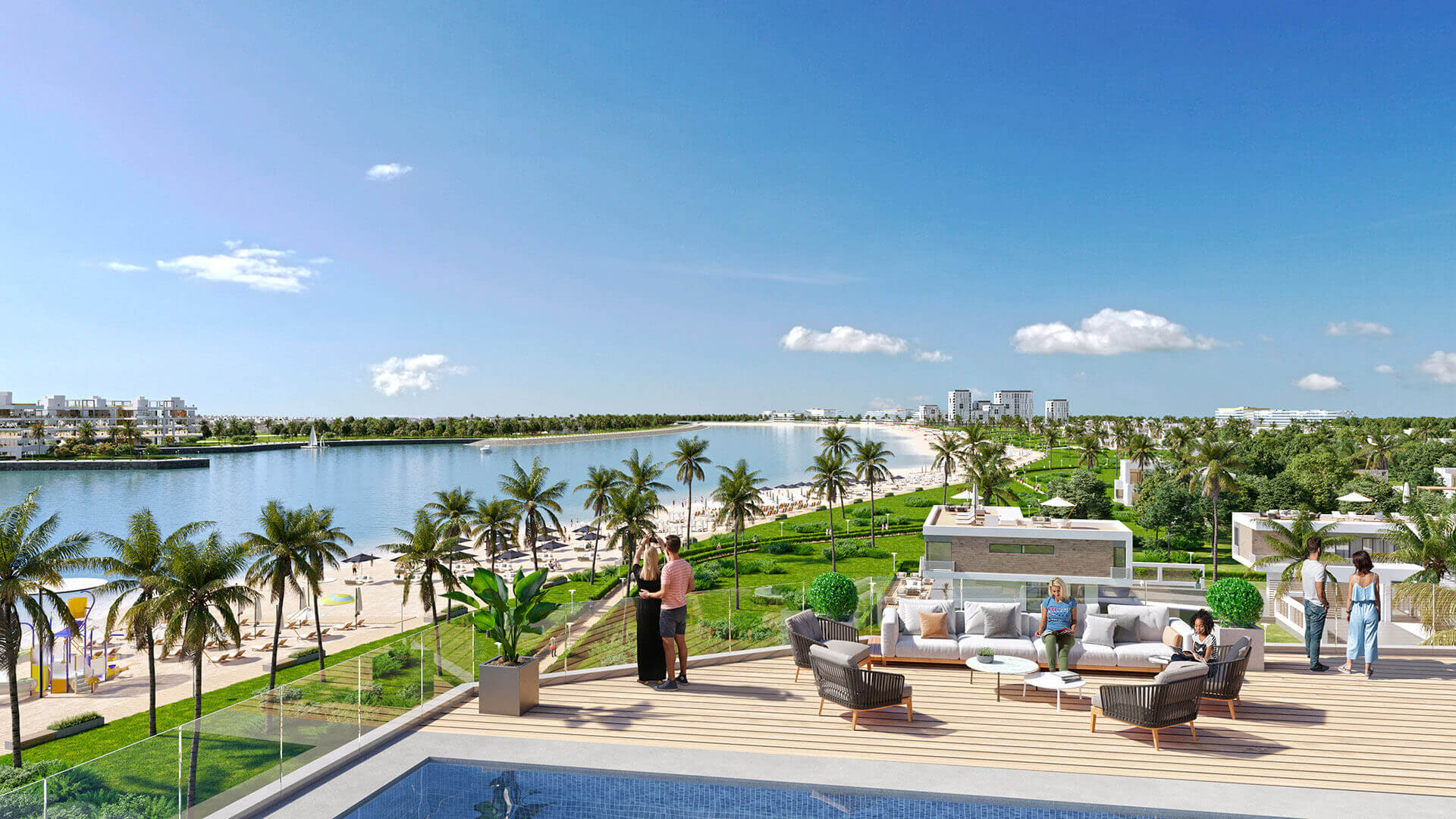
Nakheel’s five-island destination is planned around more than 20 kilometres of beaches, waterfront promenades, parks, hotels and leisure. Bay Villas, Bay Grove Residences and other launches illustrate how varied the housing offer may become. The islands’ proximity to older Dubai gives this coastline a different location story from the projects farther south. Delivery will be phased, so a property’s island, bridge connection and nearby completed amenities matter more than the destination name alone.
Property lens: assess access to the mainland and the timing of nearby roads, retail and beaches before comparing headline prices.
Dubai Metro Blue Line: connectivity across the east
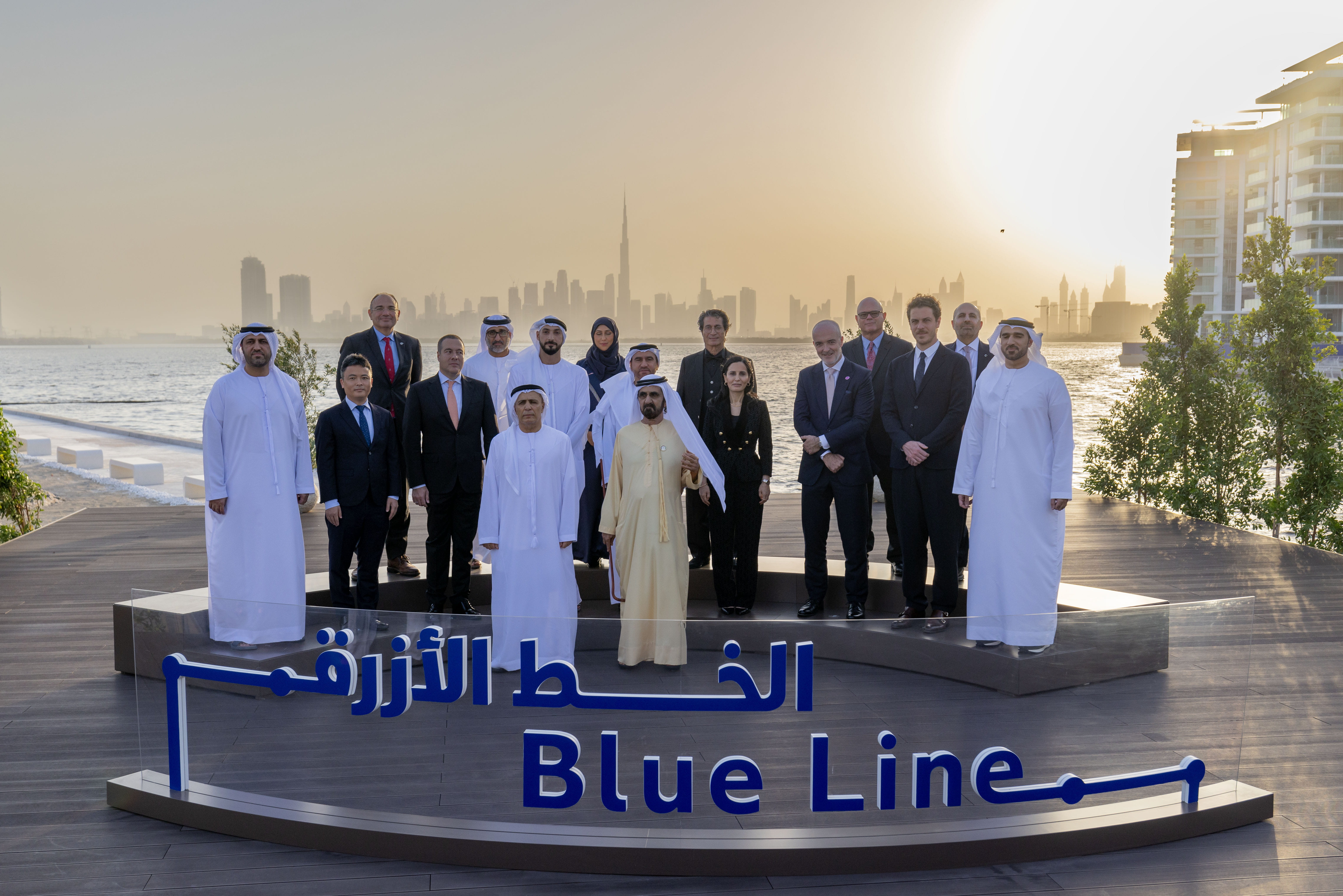
The 30-kilometre Blue Line is planned with 14 stations, connecting the existing Red and Green lines through districts including Dubai Creek Harbour, International City, Dubai Silicon Oasis and Academic City. The planned opening is 2029. For residents, the project could widen the choice of commutable homes; for investors, it is a reason to examine actual station walks and neighbourhood supply. A rail announcement by itself does not guarantee a particular apartment’s future price or rental yield.
Property lens: map the proposed station entrance and walking route, then compare today’s travel options and the confirmed delivery programme.
Al Maktoum International Airport: the Dubai South horizon
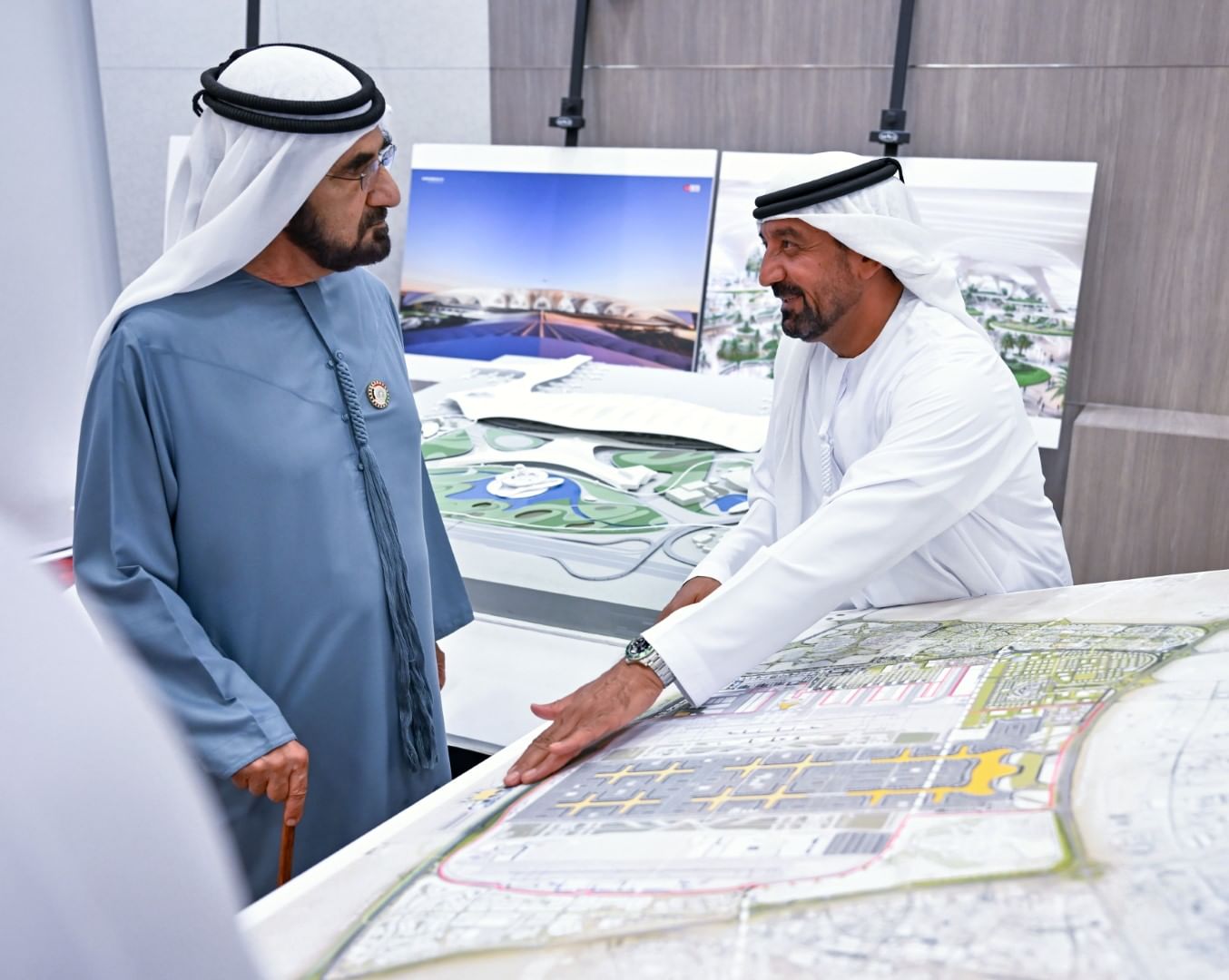
Dubai approved a new AED 128 billion passenger terminal at Al Maktoum International Airport, with an ultimate planned capacity of 260 million passengers a year. The long-term aviation and logistics plan reinforces Dubai South’s importance as a place to watch for jobs, transport links and housing. It is a multistage programme rather than an overnight shift in airport activity. Nearby residential decisions should account for actual road access, services, flight paths and each community’s handover timetable.
Property lens: distinguish the airport’s ultimate masterplan capacity from what is operational or contracted in a particular property phase.
Therme Dubai: a wellness landmark at Zabeel Park
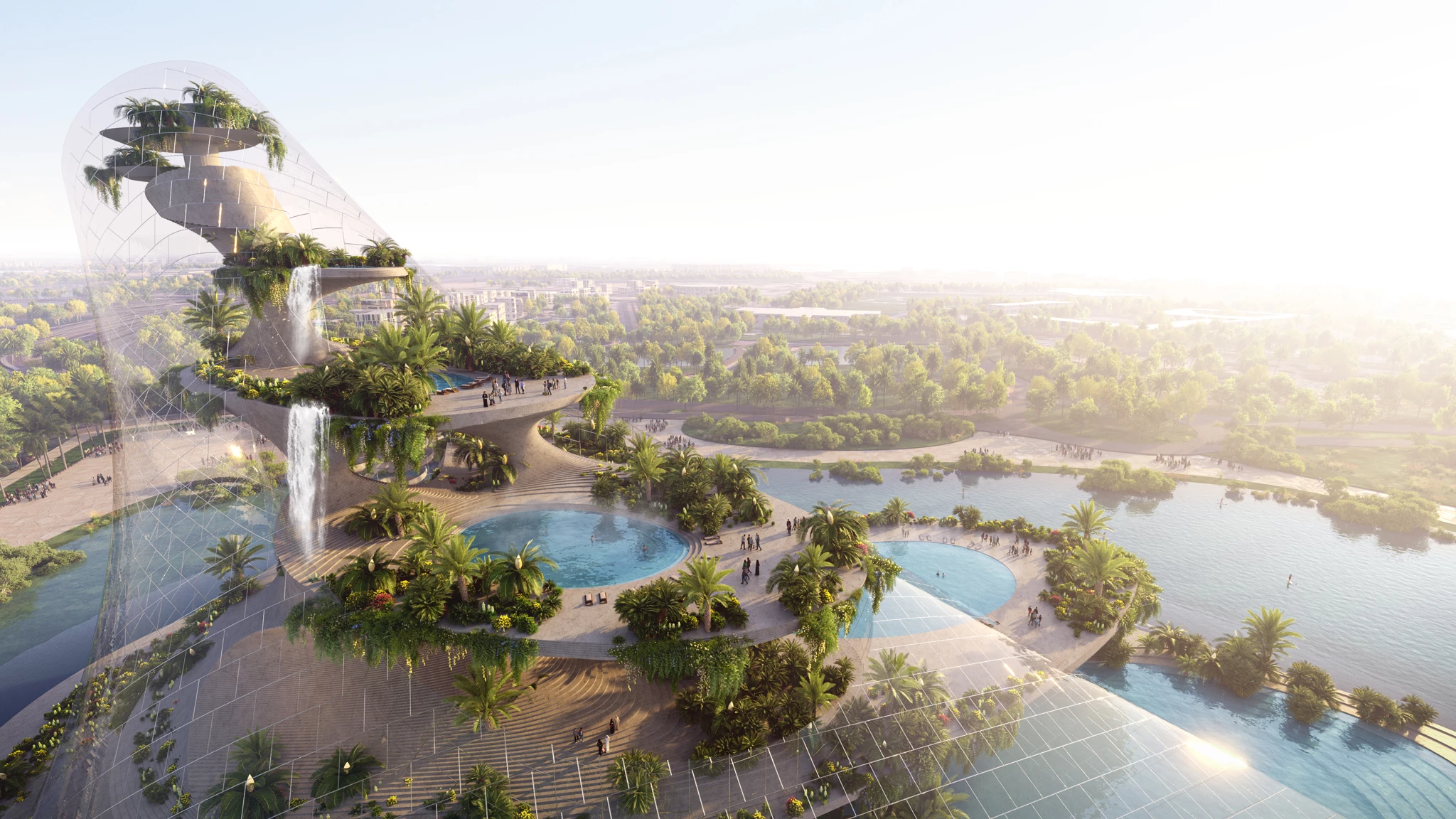
Therme Dubai – Islands in the Sky is planned as a 100-metre wellness destination at Zabeel Park, with elevated botanical spaces and pools. The developer has described a 2026 construction start and anticipated 2028 completion. It speaks to Dubai’s investment in everyday lifestyle as well as tourism. For someone choosing a home around Zabeel, this is a future amenity to follow, while the park, existing transit and the home itself still need to stand on their own merits.
Property lens: consider accessibility and completed local amenities; keep the proposed opening date separate from present-day neighbourhood value.
Como Residences: a new silhouette on Palm Jumeirah
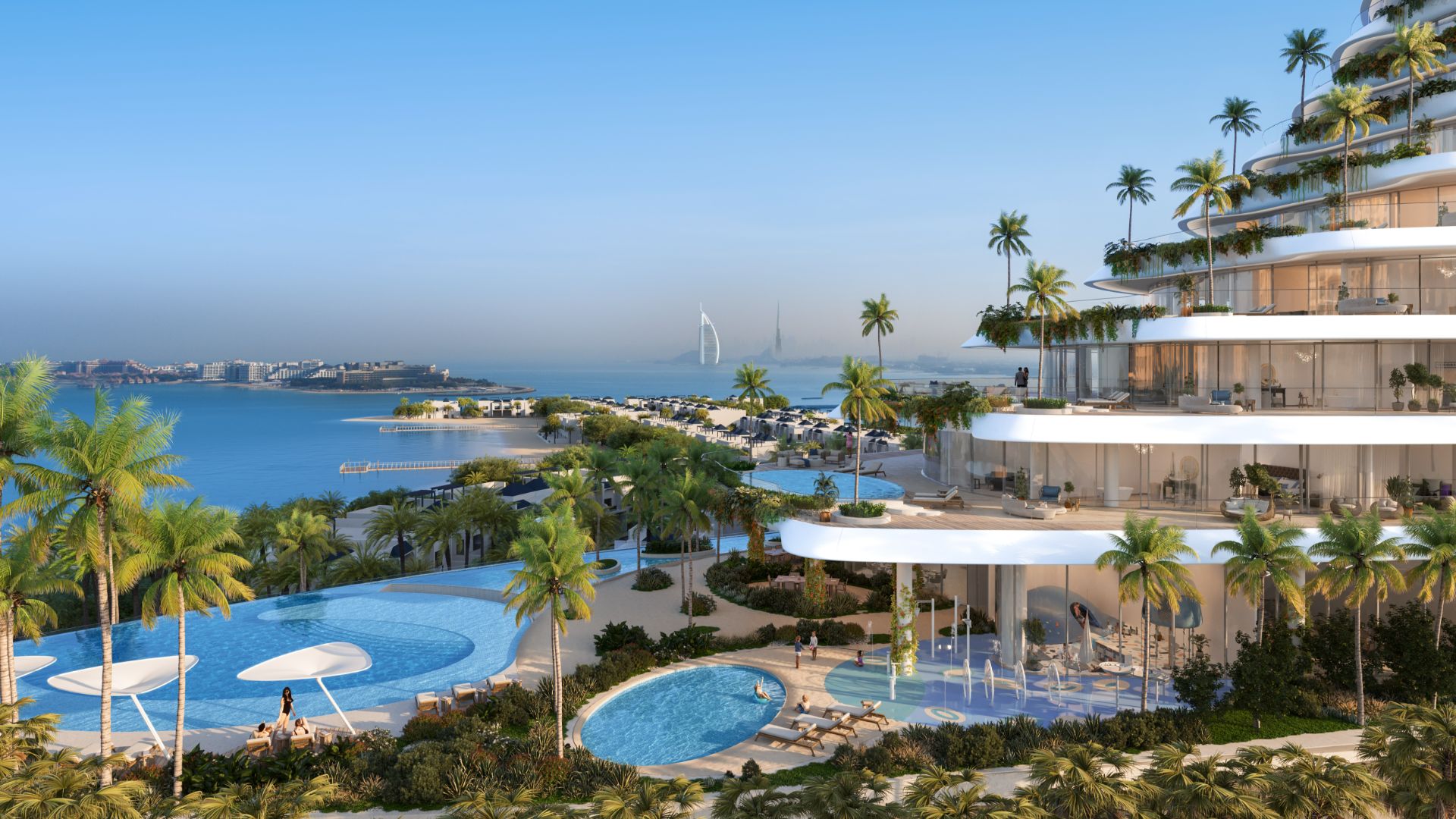
Nakheel’s Como Residences is a 76-storey tower planned for Palm Jumeirah, with 76 private residences and extensive leisure facilities. It shows how Dubai’s luxury pipeline is adding vertical, low-density homes even within established neighbourhoods. Its location is familiar, but buyers should still review the exact unit orientation, service charges, specifications and handover documents. A distinctive skyline presence is only one part of a sound purchase decision.
Property lens: evaluate the individual unit, total ownership costs and delivered amenities alongside the brand and views.
How to read a megaproject announcement as a buyer
Start with a property’s immediate reality: location, developer track record, title, contract, payment milestones, service charges and available amenities. Then consider the wider project as context. Proposed stations, airports and attractions can improve a district over time, but their benefits depend on delivery, access and the specific property.
If you want to compare Dubai waterfront, established luxury and emerging communities, speak with LuxeLiving about a shortlist matched to your goals and timeline.
Sources and image credits
- Nakheel — Palm Jebel Ali: a new waterfront address
- Nakheel — Dubai Islands: five islands, many neighbourhoods
- Government of Dubai Media Office — Dubai Metro Blue Line: connectivity across the east
- Protocol Department – Dubai — Al Maktoum International Airport: the Dubai South horizon
- Therme Group — Therme Dubai: a wellness landmark at Zabeel Park
- Nakheel — Como Residences: a new silhouette on Palm Jumeirah